Mens Haircut Length Guide ౼ Article Plan (02/17/2026 08:20:21)
This guide details clipper sizes, haircut numbers, and examples, helping you communicate your desired style effectively to your barber for optimal results․
Navigating men’s haircuts requires understanding length specifications; knowing clipper guard numbers ensures clear communication with your barber, achieving your perfect, personalized hairstyle effortlessly․
Why Understanding Haircut Lengths Matters
Precisely defining your desired haircut length is crucial for a satisfying grooming experience․ Miscommunication can lead to frustration and a style that doesn’t align with your vision․ Knowing the correlation between clipper guard numbers and actual hair length empowers you to articulate your preferences confidently to your barber․
This knowledge prevents unwanted surprises and ensures you leave the salon with a look you genuinely love․ Furthermore, understanding lengths allows for informed decisions about maintenance; you’ll know when it’s time for a trim to maintain the shape and style․ It also facilitates recreating a favorite look consistently, whether you visit different barbers or even attempt at-home touch-ups․ Ultimately, grasping haircut lengths translates to greater control over your appearance and a boost in self-confidence․
The Importance of Clipper Guards & Numbers
Clipper guards are essential tools for achieving consistent and predictable haircut lengths․ These detachable plastic attachments snap onto the clipper blades, creating a uniform space between the blades and the hair, dictating how much hair is removed․ The numbering system associated with these guards provides a standardized way to communicate desired lengths – a #1 guard leaves hair significantly shorter than a #4 guard, for example․
Barbers rely on this system for precision, but understanding it yourself is equally valuable․ Knowing the guard numbers allows you to request specific lengths, describe fades accurately, and even visualize the final result․ It bridges the communication gap, ensuring your barber understands your vision and delivers a haircut that meets your expectations․ Ignoring these numbers can lead to ambiguity and a potentially disappointing outcome․
Understanding Hair Clipper Guard Numbers
Decoding clipper guard numbers unlocks precise haircut control, enabling clear communication with your barber and achieving your desired style effortlessly․
What Do Hair Clipper Numbers Mean?
Hair clipper guard numbers represent the length of hair left after using that specific guard․ These numbers aren’t arbitrary; they directly correlate to fractions of an inch․ A lower number signifies a shorter haircut, closely trimming the hair to the scalp, while a higher number indicates a longer length, leaving more hair intact․
Essentially, the guard creates a space between the clipper blades and your hair, dictating how much is cut off․ Understanding this fundamental principle is crucial for achieving the haircut you envision․ It’s not just about picking a number randomly; it’s about knowing what length that number translates to in real terms․ This knowledge empowers you to confidently discuss your desired style with your barber, ensuring a satisfying result․
Furthermore, recognizing these numbers allows for greater control over fades and tapers, enabling you to specify precise length transitions for a polished and professional look․
Common Hair Clipper Guard Sizes Explained
Let’s break down frequently used guard sizes․ The #1 guard (1/8 inch) delivers a very short, almost buzzed look, often used for induction cuts or a closely cropped style․ A #2 guard (1/4 inch) maintains extreme shortness but offers slightly more length for subtle texture․ Moving up, the #3 (3/8 inch) is excellent for classic tapers and fades, providing a neat and tidy appearance․
The versatile #4 guard (1/2 inch) suits numerous styles, offering a balanced length that isn’t too short or too long․ A #5 guard (5/8 inch) introduces more texture and body, while the #6 guard (3/4 inch) is popular for creating fades and layered cuts with noticeable volume․ These common sizes form the foundation for many popular men’s haircuts, allowing for customization and personalization․
Remember, these are starting points; combining different guard sizes creates dynamic and stylish results․
Short Haircut Lengths (Under 1 Inch)
These cuts, utilizing guards #1 and #2, offer extremely close, low-maintenance styles – ideal for a clean, sharp, and effortlessly cool aesthetic․
#1 Guard (1/8 Inch) ⏤ Buzz Cut & Induction Cut
The #1 guard, leaving hair at a mere 1/8 inch, is the foundation for the classic buzz cut and the even shorter induction cut․ These styles are renowned for their simplicity, practicality, and incredibly low maintenance․ A buzz cut generally maintains a uniform length all over the head, creating a bold and masculine look․
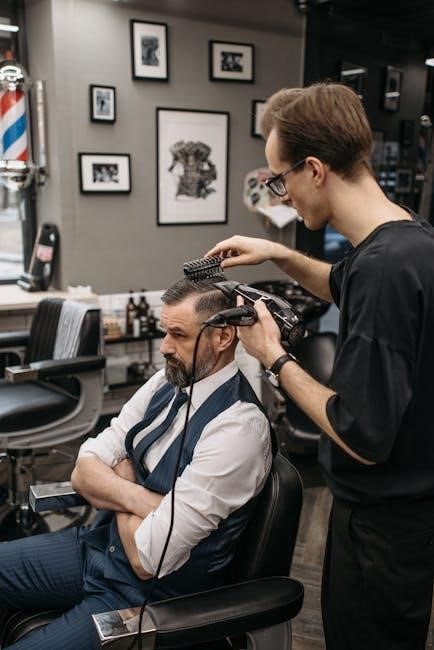
The induction cut takes this a step further, often achieved with a bare blade (or a #0 guard, effectively zero length) and is typically associated with military recruits – hence the name․ It’s the shortest possible haircut, requiring virtually no styling․ Both cuts are excellent choices for those with active lifestyles or those who prefer a no-fuss approach to grooming․ They also work well with various hair textures, though they may accentuate the shape of the head․ Consider your head shape when opting for such a short style!
#2 Guard (1/4 Inch) ౼ Very Short, Textured Styles
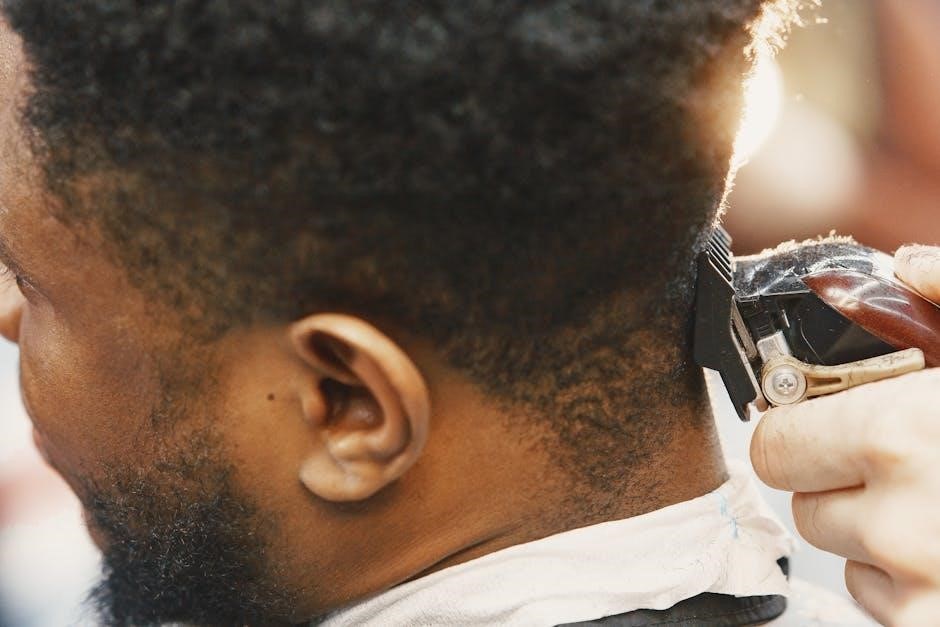
Utilizing the #2 guard, which cuts hair to 1/4 inch, opens the door to a range of very short, yet subtly textured hairstyles․ While still incredibly low maintenance, this length provides a bit more versatility than the #1 guard․ It’s a fantastic option for those wanting a clean-cut appearance without going too short․
This length allows for slight variations in texture, particularly with thicker hair, creating a more dynamic look․ It’s well-suited for a faded haircut, where the sides and back are clipped shorter, gradually blending into the slightly longer length on top․ A #2 guard can also work well with a classic, short back and sides style․ It’s a great starting point for experimenting with short hairstyles and is generally flattering on most face shapes, offering a modern and approachable aesthetic․
Medium Haircut Lengths (1-3 Inches)
These versatile lengths – utilizing guards #3 through #6 – offer a balance between manageability and styling options, perfect for diverse looks․
#3 Guard (3/8 Inch) ౼ Classic Taper & Fade
The #3 guard, cutting hair to 3/8 of an inch, is a cornerstone for achieving timeless and incredibly popular haircuts․ This length is exceptionally well-suited for classic taper and fade styles, providing enough length to create a noticeable, yet not overly dramatic, transition between different hair lengths․ It’s a fantastic starting point for those wanting a clean, polished look without venturing into significantly shorter territory․
With a #3 guard, barbers can expertly blend the sides and back, creating a seamless fade that complements the hair on top․ This length allows for some texture and styling versatility; you can achieve a neat side part, a slightly messy textured look, or even a subtle quiff․ It’s a safe and reliable choice for many hair types and face shapes, making it a go-to option for both first-timers and seasoned haircut enthusiasts․ It’s a truly versatile and universally flattering length;
#4 Guard (1/2 Inch) ౼ Versatile Length for Many Styles
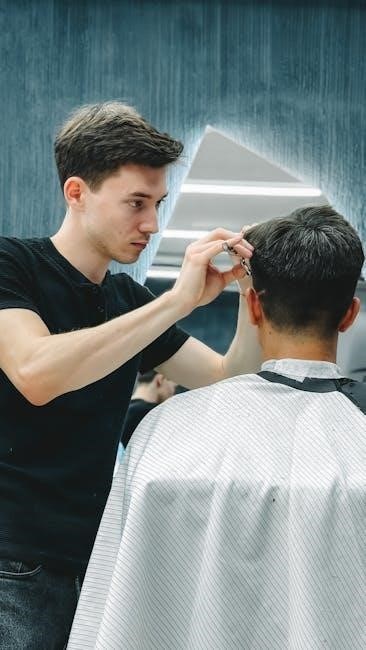
The #4 guard, delivering a half-inch haircut, truly earns its reputation as one of the most versatile lengths available․ It strikes an excellent balance – short enough to remain neat and manageable, yet long enough to offer significant styling options․ This makes it a superb choice for a wide range of hairstyles and hair textures, appealing to a broad spectrum of preferences․
A #4 guard allows for everything from classic, conservative looks to more modern and textured styles․ It’s ideal for creating a clean, even all-over length, or as a base for fades and tapers․ You can easily style it with pomade for a slicked-back look, use texture paste for a more natural, tousled appearance, or even create a subtle quiff․ It’s a length that works well for both professional and casual settings, offering a polished yet approachable aesthetic․ It’s a consistently popular and reliable choice․
#5 Guard (5/8 Inch) ౼ Slightly Longer, More Texture
Stepping up to the #5 guard (5/8 inch) introduces a noticeable increase in length and, crucially, a significant boost in potential texture․ While still relatively short and easy to maintain, this length provides more weight and body to the hair, opening up possibilities for styles that require a bit more substance․ It’s a fantastic option for those wanting to move beyond a very short, clean-cut look without committing to significantly longer hair․
The added length of a #5 guard allows for more defined layers and textured crops․ It’s particularly well-suited for creating messy, bedhead-inspired styles or adding volume to finer hair․ This length works exceptionally well with products like sea salt spray or matte clay to enhance the texture and provide a natural, undone finish․ It’s a great choice for a modern, effortlessly cool aesthetic, offering a balance between style and practicality․
#6 Guard (3/4 Inch) ౼ Popular for Fades and Layered Cuts
The #6 guard, measuring 3/4 inch, represents a sweet spot in haircut lengths – versatile enough for a wide range of styles and incredibly popular for achieving seamless fades and dynamic layered cuts․ This length offers substantial enough hair to work with, allowing barbers to create more intricate designs and transitions․ It’s a go-to choice for those seeking a modern, stylish look without venturing into excessively long territory․
Its popularity stems from its ability to blend effortlessly between shorter and longer sections, making it ideal for fades where a noticeable, yet not drastic, length difference is desired; The 3/4 inch length also provides enough bulk for layering, adding volume and movement to the hair․ It pairs well with various hair types and textures, and can be styled with pomades, waxes, or creams for a polished or textured finish․

Longer Haircut Lengths (3+ Inches)
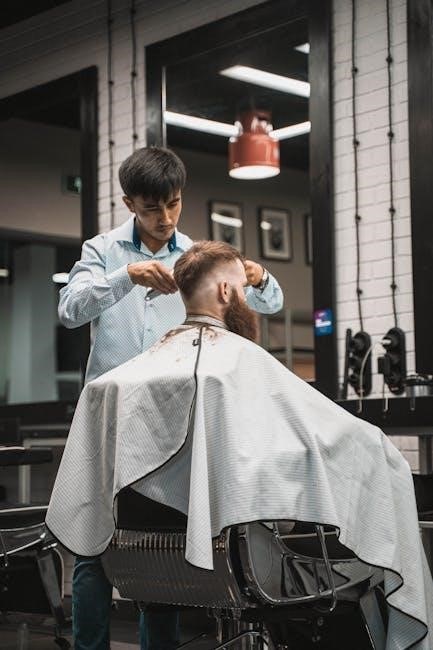
These lengths, exceeding three inches, unlock styling versatility, enabling textured quiffs, pompadours, and longer, flowing styles for a bolder aesthetic․
#7 Guard (1 Inch) ⏤ Longer on Top, Shorter on Sides
The #7 guard, delivering a one-inch length, is a fantastic choice for those desiring a noticeable difference between the hair on top and the sides․ This creates a classic, balanced look that’s easy to style and maintain․ It’s particularly well-suited for individuals who want some length to work with for various hairstyles, but still prefer a relatively clean and manageable cut․
With a #7 guard, you can achieve styles like a textured crop, a side part with volume, or even a small pompadour․ The longer length on top allows for more product application and styling flexibility․ Simultaneously, the shorter sides keep the overall look sharp and prevent it from appearing too bulky․ It’s a versatile option that bridges the gap between shorter and longer hairstyles, offering a sophisticated and modern appearance․
#8 Guard (1 1/4 Inch) ⏤ For Textured Quiffs & Pompadours
The #8 guard, providing a 1 1/4 inch length, is ideal for men who want substantial length on top to create more dramatic and textured hairstyles․ This length is a sweet spot for achieving classic looks like quiffs and pompadours, offering enough hair to style with volume and definition․ It’s a popular choice for those who enjoy experimenting with different hair products and styling techniques․
With this length, you can easily achieve a full, voluminous quiff or a sleek, polished pompadour․ The extra length allows for greater control and hold, ensuring your style lasts throughout the day․ It also works well with textured styles, adding body and movement to your hair․ While the top is longer, pairing it with faded or tapered sides maintains a balanced and modern aesthetic, preventing the look from appearing outdated or unkempt․
Describing Hair Length to Your Barber
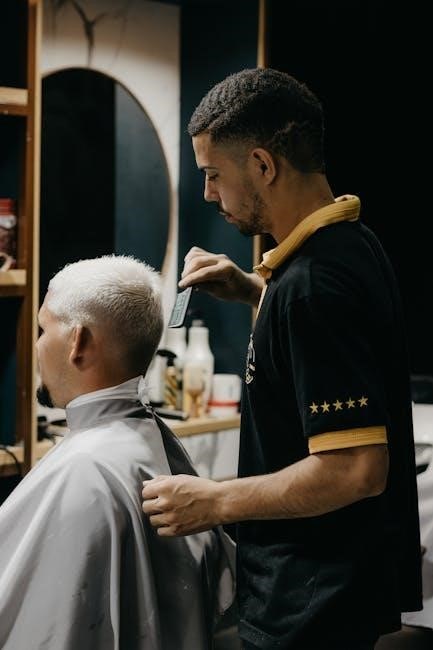
Clearly communicating your desired length—using inches or guard numbers—and providing visual references ensures your barber understands your vision for the perfect haircut․
Using Inches Instead of Guard Numbers
While clipper guard numbers are a standard shorthand, many barbers prefer measurements in inches for greater precision․ This method bypasses potential confusion arising from differing clipper brands or individual interpretations of guard sizes․ When requesting a haircut, stating “half an inch on the sides” is far more definitive than simply asking for a “number four․”
Consider that guard numbers represent approximate lengths, and slight variations can occur․ Inches offer a concrete, universally understood unit of measurement․ If you’re unsure of the corresponding guard number for your desired length, directly specifying the inch measurement eliminates ambiguity․ This is particularly useful for blended fades or tapered styles where precise length differences are crucial for achieving the desired look․ Don’t hesitate to bring a ruler or measuring tape for clarity!
Visual Aids & Reference Photos
Communication is key to a successful haircut, and sometimes words aren’t enough! Supplementing your verbal description with visual aids – specifically, reference photos – dramatically increases the likelihood of achieving your desired style․ Find images showcasing haircuts with similar lengths and textures to what you envision․
Pinterest, Instagram, and hairstyle websites are excellent resources for finding inspiration․ Show your barber multiple photos from different angles to provide a comprehensive understanding of your goal․ Be realistic; consider your hair type and density when selecting images․ A photo of someone with thick, wavy hair won’t necessarily translate directly to fine, straight hair․
Even a simple sketch can help illustrate specific details, like the desired shape of a fade or the placement of layers․ Don’t be shy – the more visual information you provide, the better!