Welcome to the official Pit Boss Pellet Grill Manual. This guide covers everything from safe use to advanced cooking techniques. It offers step‑by‑step instructions, troubleshooting tips, and recipe ideas to help you master the PB850DX and other models. Download diagrams and safety tips quick now!!
Safety Precautions Before Use
Before operating your Pit Boss pellet grill, read all safety warnings and follow these essential precautions to protect yourself, your family, and your property.
- Location: Place the grill on a stable, level surface away from flammable structures, overhangs, and direct sunlight. Keep at least 3 feet from walls, trees, and any combustible materials.
- Ventilation: Use the grill outdoors in a well‑ventilated area. Never operate indoors or in a closed garage. Open windows or use a fan to disperse fumes.
- Fuel Storage: Store wood pellets in a dry, sealed container. Keep them away from heat sources, moisture, and direct sunlight to prevent mold or combustion.
- Electrical Safety: Use only the supplied power cord and outlet. Do not use extension cords or adapters. Inspect the cord for damage before each use.
- Children and Pets: Keep children and pets at least 6 feet away while the grill is operating. Use a child‑proof grill cover when not in use.
- Fire Prevention: Keep a fire extinguisher or a bucket of sand nearby. Never leave the grill unattended while it is heating or cooking.
By following these precautions, you ensure a safe, enjoyable grilling experience and extend the life of your Pit Boss pellet grill.
Always read the full manual before first use, keep the grill clean, and follow local fire codes. Enjoy delicious, low‑sugar, wood‑flavored meals with confidence and peace of mind.
Keep a extinguisher never always leave the grill unattended.
Unpacking and Inspecting Your Grill
Place the grill on a flat, stable surface. Remove the outer cardboard box and inner protective packaging. Inspect the exterior for visible damage or dents from shipping. If you find scratches or cracks, photograph them and contact support before use. Verify that all listed parts are present: grill body, hopper, control panel, igniter, temperature probe, and user manual. Check the hopper lid seals and pellet chute is clear. Confirm the power cord is intact, with no frayed wires. Ensure the automatic shut‑off switch and temperature sensor are securely mounted. Finally, read the safety warnings and operating instructions to prevent future malfunctions and ensure a safe grilling experience.
- Component Check: Verify that all listed parts are present: grill body, hopper, control panel, igniter, temperature probe, and user manual.
- Pellet Hopper: Ensure the hopper lid seals properly and that the pellet chute is free of debris.
- Electrical Connections: Confirm that the power cord is intact, with no frayed wires or exposed conductors.
- Safety Features: Check that the automatic shut‑off switch and temperature sensor are securely mounted.
After inspection, store the grill in a dry, covered area during off‑season. Keep the hopper lid closed when not in use to prevent moisture. Regularly check the temperature probe for accuracy and replace if readings drift. Follow the clean schedule to keep performance.
Assembly and Initial Setup
Begin by positioning the grill on a level surface away from walls. Attach the side panels to the main body using the supplied screws; tighten them with a Phillips screwdriver until snug but avoid overtightening. Slide the hopper onto the designated slot, ensuring the latch clicks into place. Connect the power cord to the rear outlet, then plug into a grounded 120‑V outlet. Turn on the main power switch; the indicator light should illuminate. Next, insert the temperature probe into the grill chamber, aligning the sensor tip with the center of the cooking area. Secure the probe with the provided clamp. Verify that the control panel registers the probe by displaying a baseline temperature. Finally, load the hopper with dry wood pellets, filling to the maximum line without overfilling. Close the hopper lid firmly. Your grill is now ready for the first burn‑in cycle, which will stabilize the internal components and calibrate the auto‑igniter. Follow the manufacturer’s burn‑in procedure before cooking. After assembly, perform a dry burn to ensure all components are functioning. This involves running the grill with the hopper empty for 15 minutes, monitoring the temperature readout. If the auto‑igniter activates and the temperature stabilizes, the grill is ready for use. If not, consult the troubleshooting section. Keep the grill in a dry environment and store the manual in a safe place for future reference. Remember to keep the grill’s ventilation openings clear of debris to maintain optimal airflow and prevent overheating during long cooking sessions. Enjoy.!!
Understanding the Control Panel
The control panel is the command center of the Pit Boss pellet grill, offering access to temperature, timer, and fan settings. At the top sits a digital display that shows the current grill temperature, target temperature, and time remaining. Below the display is a rotary dial or touch‑pad that allows you to set the desired temperature in 5‑degree increments from 200°F to 500°F. The “Auto” button engages the auto‑igniter, which automatically lights the pellets and maintains the set temperature using the built‑in fan. The “Fan” switch toggles the fan on or off; when on mode is ideal for smoking. A separate “Timer” knob sets the cooking duration; the display will count down in real time. The “Start/Stop” button initiates the cycle or a cooking session, and the “Reset” button clears any error codes and returns the panel to default. The panel also features a “Power” switch that turns the unit on or off, and a “Battery” indicator that alerts you when the internal battery is low. All buttons are for visibility in low light. The panel’s firmware can be updated via a USB port; simply download the latest firmware from the manufacturer’s website, copy it to a USB drive, and insert it into the port. The grill will prompt you to install the update, which will reboot automatically. Proper use of the control panel ensures consistent temperature control pellet consumption, hassle‑free cooking experience. Always refer to the safety instructions before operating the panel to avoid burns or electrical hazards.!
Pellet Loading and Hopper Capacity
Loading pellets into a Pit Boss grill is a straightforward process that ensures consistent heat and flavor. First, open the hopper lid by lifting the latch located on the left side of the grill body. The hopper is designed to hold up to 3.5 pounds (1.6 kilograms) of hardwood or mixed‑wood pellets, which is sufficient for most medium‑sized cooking sessions. Gently pour the pellets into the hopper, avoiding over‑filling, which can cause spillage during the auto‑ignition cycle. Once the hopper is full, close the lid securely; the latch will click into place, preventing accidental opening during operation. The hopper’s internal design incorporates a small chute that directs the pellets toward the auger, ensuring a steady feed into the combustion chamber. If you notice a blockage, remove the auger by unscrewing the top cover and clearing any debris with a small brush. After clearing, reassemble the cover and re‑insert the auger. It is recommended to use only approved wood pellets that meet the manufacturer’s specifications, as improper pellets can clog the auger or produce excess ash. The hopper’s capacity allows for extended cooking times without the need for frequent refilling, making it ideal for large gatherings or slow‑smoked dishes. Always keep the hopper area clean and dry to avoid moisture absorption, which can impair combustion efficiency. By following these loading steps, you maintain optimal temperature control and flavor consistency throughout your cooking experience. Use a clean, dry bucket to store unused pellets, preventing moisture buildup that could compromise the grill’s performance and keep the area well‑ventilated.
Ignition System and Manual Lighting
The Pit Boss pellet grill features an electric auto‑igniter that delivers a spark to the pellet feed. When the grill is powered on, the igniter activates automatically, lighting the pellets in the combustion chamber. If the auto‑igniter fails or the flame does not sustain, the manual lighting procedure is simple and reliable. First, ensure the grill is in the “Off” position and the power cord is unplugged for safety. Open the hopper lid and verify that the pellet supply is adequate. Then, locate the manual ignition button on the control panel. Press and hold the button until the igniter lights; a faint glow indicates successful ignition. If the auto‑igniter does not fire, use a long‑match or a lighter to ignite the pellet bed. Apply a small amount of liquid propane or a grill ignition spray to the pellet bed, then light with the match. Once the flame is established, allow the grill to reach the desired temperature before proceeding with cooking. It is recommended to keep the grill in the “Low” or “Medium” temperature range for optimal wood‑smoke flavor. After the grill has reached the target temperature, the auto‑igniter will take over and maintain a steady flame If the flame extinguishes during a cook, repeat the manual lighting steps or check the electrical connections. The manual lighting method ensures that you can always start the grill, even in the event of a power outage or igniter malfunction. This redundancy is a key feature of the Pit Boss design, allowing for dependable operation in outdoor great setting.
Operating Temperature Ranges and Settings
The Pit Boss pellet grill provides a digital readout from 180°F to 500°F. The default “Low” setting is 180°F for slow smoking, “Medium” 250°F for steady grilling, and “High” 350°F for quick searing. Temperature can be adjusted in 10‑degree increments, and the built‑in PID controller keeps the target within ±5°F, compensating for ambient changes and pellet moisture. Preheat to the chosen setting in about 15 minutes, then the grill stabilizes for consistent results.
- Low (180–200°F): Long, slow smoke of pork shoulder, brisket, or whole chickens.
- Medium (250–300°F): Grilling burgers, steaks, and vegetables.
- High (350–400°F): Searing chops, ribs, or quick grill‑downs.
- Maximum (450–500°F): High‑heat finishing; use briefly.
The “Temperature Ramp” feature automatically changes heat by 20°F per minute to mimic wood‑smoke cycles. Users can program custom ramp sequences via the control panel menu, selecting start, peak, and hold times. The display shows real‑time temperature, target, and time remaining. A safety interlock stops the igniter if the temperature exceeds 500°F, protecting the grill. The “Cool‑Down” mode lowers the temperature to 120°F over 30 minutes, preserving the pellet bed and preventing flare‑ups during cleanup.
Advanced users can attach a Bluetooth thermometer to monitor meat internal temperature while the grill maintains the set temperature. The “Auto‑Temperature” mode adjusts the pellet feed rate automatically, keeping the grill steady even when the lid is opened or new food is added.
When cooking large cuts, use a probe inserted into the thickest part of the meat. Aim for 195°F for medium‑rare pork, 145°F for medium‑rare beef, and 165°F for poultry. The grill’s temperature will stay within the set range while the probe reads the internal temperature, allowing you to pull the meat at the perfect doneness without overcooking.
For recipes that require a temperature shift, simply adjust the target on the control panel; the PID controller will ramp the heat smoothly, preventing sudden spikes. Enjoy flavor!!
Using the Auto‑Igniter Feature
The auto‑igniter on a Pit Boss pellet grill uses an electric spark to ignite the pellet bed. Set the desired temperature, press “Ignite,” and the system heats the burner to 400°F, sparks the pellets, and feeds them automatically. It cycles until the grill reaches the target, then locks the ignition for safety.
Keep the hopper full and the lid closed during ignition. If the grill fails to ignite, verify pellet supply, clean igniter contacts, and ensure a stable power source. A “Fault” code will appear if the spark fails; consult the troubleshooting section for code meanings.
- Press “Ignite” after selecting a temperature.
- Wait 2–3 minutes for stabilization.
- Use “Hold” to maintain temperature during long cooks.
- Press “Reset” if the grill stalls or shows an error.
Once the target temperature is reached, the auto‑igniter shuts off, leaving the burner on to keep heat steady. If the hopper empties, the burner pauses and displays “Hopper Empty.” Refilling resumes operation automatically.
The auto‑igniter saves time and reduces lighting, ideal for cookouts. Never leave the grill unattended while it’s active; the safety interlock shuts down if temperature exceeds 500°F. Inspect contacts regularly and clean with a soft brush.
The auto‑igniter saves time and reduces lighting, cookouts. Never leave the grill unattended while it’s active; the safety interlock shuts down if temperature exceeds 500°F. Inspect contacts regularly and clean with a soft brush.!!
If contacts are dirty, the spark weakens, causing failure. A battery backup allows the grill to start during power interruptions; replace the battery annually or when the indicator turns amber.
Cleaning the Grill and Maintenance Schedule
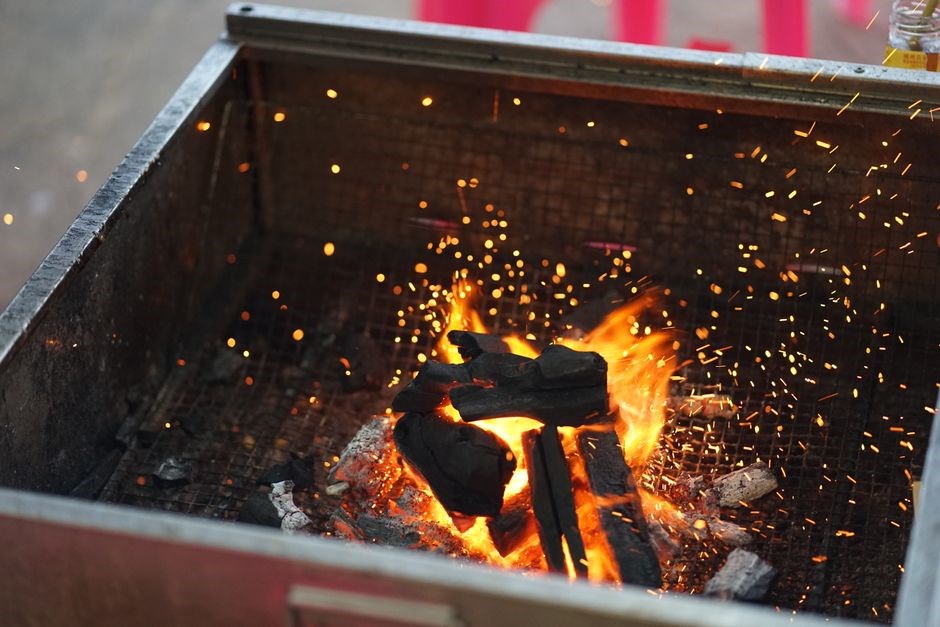
Regular cleaning keeps your Pit Boss grill safe and flavorful. After each use, let the grill cool to 120°F, then remove the grates and wash them in warm, soapy water. Scrape off excess ash with a metal brush, rinse, and dry thoroughly before re‑installing.
Inside the grill, wipe the pellet hopper and the heat‑exposed surfaces with a damp cloth. Avoid abrasive cleaners that can damage the stainless steel. For stubborn residue, use a mild, non‑abrasive paste. Check the auto‑igniter contacts weekly; clean with a cotton swab and isopropyl alcohol.
Monthly, inspect the fan and heat exchanger for buildup. Remove any debris with a soft brush, then run the grill at 250°F for 10 minutes to burn off remaining ash. Replace the fan filter every 3 months or when airflow drops below 80% of rated capacity.
Quarterly, replace the spark plug and inspect the ignition coil. If the coil shows cracks or excessive wear, replace it immediately. Keep a spare coil in your storage kit.
Annual service includes a full inspection of the electrical wiring, a check of the temperature probe, and a replacement of the hopper gasket if it shows signs of wear. Store the grill in a dry, covered area during off‑season to prevent rust.
Maintain a log of all cleaning and maintenance actions. Record dates, temperatures used, and any parts replaced. This log extends the life of your grill and helps diagnose future issues.
Manual updates daily. !!
Common Troubleshooting Guide
Below are quick fixes for the most frequent Pit Boss grill issues. Follow each step carefully; if the problem persists, contact support.
- Ignition Failure: Verify the auto‑igniter power supply is on. Check the spark plug for corrosion; clean or replace. If the grill still won’t light, use the manual ignition method described in the manual.
- Temperature Not Reaching Target: Ensure the grill is level. Clean the heat exchanger and fan. Verify the temperature probe is seated correctly. If the probe is damaged, replace it with a compatible model.
- Uneven Cooking: Rotate the food regularly. Check that the grates are clean and not warped. Adjust the fan speed to improve airflow.
- Pellet Hopper Empty: Refill with high‑quality hardwood pellets. Check for clogs in the hopper door. Remove any debris that may block pellet flow.
- Excessive Smoke: Use dry pellets and avoid overfilling the hopper. Ensure the grill is vented properly. Clean the grill vents after each use.
- Fan Not Spinning: Inspect the fan motor for damage. Check the power cord for continuity. Replace the motor if it shows signs of wear.
Regular maintenance extends grill life and ensures performance. Keep exterior clean, replace worn parts promptly!!!
Regular maintenance extends the grill’s life and ensures consistent performance. Keep the grill’s exterior clean, replace worn parts promptly, and store the grill in a dry, covered area during winter months.
Replacing Faulty Parts and Accessories
When a component fails, replace it with a genuine Pit Boss part to maintain warranty and performance. Follow these steps:
- Identify the Fault: Use the troubleshooting guide to confirm the part that needs replacement.
- Order the Part: Visit the official Pit Boss website or authorized dealers. Enter the model number (e.g., PB850DX) to find compatible parts such as the fan motor, temperature probe, or hopper door.
- Gather Tools: You will typically need a Phillips screwdriver, a socket set, and possibly a torque wrench for the grill’s mounting bolts.
- Power Off: Disconnect the grill from the outlet and allow it to cool completely.
- Remove the Old Part: Carefully unscrew or unclip the component. Keep track of screws and washers.
- Install the New Part: Align the new component, secure it with the original hardware, and tighten to the manufacturer’s torque specifications.
- Reassemble and Test: Reconnect power, ignite the grill, and verify the new part functions correctly.
For accessories like grill grates, flame tamers, or storage cabinets, replace them using the same method. Always use parts that match the grill’s specifications to ensure safety and optimal cooking results.
Keep the grill’s exterior clean, replace worn parts promptly, and store it dry during winter to prolong life.Done
Storage and Seasonal Care
When the grilling season ends, store your Pit Boss pellet grill in a dry, covered area to protect it from moisture and pests. Clean the hopper, remove all pellets, and wipe the interior. Dry the grill thoroughly before covering with a breathable grill cover; avoid plastic to allow air circulation.
Elevate the grill on a rack or crate to keep it off damp concrete. Disconnect the power cord, if possible, remove the ignition module to prevent starts. Store the grill in a temperature‑controlled space, ideally 40°F–70°F, and avoid extreme heat or freezing temperatures.

For long‑term storage, drain the water reservoir and clean the water lines to prevent mineral buildup. Keep spare parts in a labeled, dry box. Inspect the grill after each storage period for rust or pest activity and replace corroded screws.
When spring arrives, perform a full inspection: test the auto‑igniter, check the fan motor, and ensure the temperature probe reads accurately. Clean the grill grates, replace worn grates or flame tamers, and apply a thin coat of food‑safe oil to metal surfaces to prevent rust. Maintain a cleaning schedule: after each use, wipe the grates with a grill brush and mild detergent; monthly, clean the hopper with warm water and a soft brush. Finally, before the first cook of the season, run a low‑temperature test to confirm all systems are operational. If any component wears, replace it promptly to maintain safety and performance. Store the grill in a well‑ventilated area to avoid condensation buildup Check the grill’s hinges for operation.
Recommended Recipes for Pit Boss Grills
Explore a curated selection of dishes that showcase the slow‑cook, wood‑smoked flavor unique to Pit Boss pellet grills. Each recipe is tailored for low‑to‑medium temperature ranges, ensuring tender meats and caramelized edges while preserving natural juices. Below are three standout options:
- Smoked Brisket – Marinate a 10‑lb beef brisket with a dry rub of brown sugar, paprika, garlic powder, and black pepper. Smoke at 225°F for 10–12 hours, basting with apple‑cider vinegar. Finish with a glaze of molasses and a splash of bourbon.
- Barbecue Ribs – Apply a dry rub of brown sugar, chili powder, cumin, and smoked paprika. Smoke at 250°F for 4–5 hours, then wrap in foil with a bit of apple juice. Unwrap, brush with your favorite sauce, and finish on the grill for a crisp crust.
- Smoked Salmon – Season fillets with lemon zest, dill, and sea salt. Smoke at 200°F for 45 minutes, then serve with a dill‑yogurt sauce and lemon wedges.
These low‑heat recipes keep meats juicy while delivering deep, smoky flavor every time!!!
For a vegetarian option, try Smoked Portobello Mushrooms seasoned with olive oil, balsamic vinegar, garlic, and thyme. Smoke at 225°F for 30 minutes, then grill for a minute per side. Pair these dishes with fresh salads or crusty bread for a complete meal. Enjoy the smoky aroma and effortless flavor that only a Pit Boss pellet grill can deliver.

Explore a curated selection of dishes that showcase the slow‑cook, wood‑smoked flavor unique to Pit Boss pellet grills. Each recipe is tailored for low‑to‑medium temperature ranges, ensuring tender meats and caramelized edges while preserving natural juices. Below are three standout options:
- Smoked Brisket – Marinate a 10‑lb beef brisket with a dry rub of brown sugar, paprika, garlic powder, and black pepper. Smoke at 225°F for 10–12 hours, basting with apple‑cider vinegar. Finish with a glaze of molasses and a splash of bourbon.
- Barbecue Ribs – Apply a dry rub of brown sugar, chili powder, cumin, and smoked paprika. Smoke at 250°F for 4–5 hours, then wrap in foil with a bit of apple juice. Unwrap, brush with your favorite sauce, and finish on the grill for a crisp crust.
- Smoked Salmon – Season fillets with lemon zest, dill, and sea salt. Smoke at 200°F for 45 minutes, then serve with a dill‑yogurt sauce and lemon wedges.
These low‑heat recipes keep meats juicy while delivering deep, smoky flavor that only a Pit Boss pellet grill can deliver!!!
For a vegetarian option, try Smoked Portobello Mushrooms seasoned with olive oil, balsamic vinegar, garlic, and thyme. Smoke at 225°F for 30 minutes, then grill for a minute per side; Pair these dishes with fresh salads or crusty bread for a complete meal. Enjoy the smoky aroma and effortless flavor that only a Pit Boss pellet grill can deliver.
Warranty and Customer Support Information
All Pit Boss pellet grills come with a two‑year warranty covering manufacturing defects and parts. If a defect occurs, contact customer service via phone, email, or live chat for troubleshooting or repair. Repairs are free under warranty, and shipping is included for replacement parts.
Visit the Pit Boss website’s Parts & Accessories section to find OEM components like igniters, probes, and hopper liners. Each part lists a unique number and compatibility chart. Shipping is free for warranty claims, and expedited shipping is available for a nominal fee.
Log in to the online support portal for manuals, firmware updates, and a community forum. If you need in‑person help, locate a certified Pit Boss service center near you. All centers are staffed by trained technicians and authorized to repair under warranty.
For urgent inquiries, call toll‑free 1‑800‑PIT‑BOSS. Support hours are Mon‑Fri, 8 a.m.–6 p.m. local time. We ensure safe grill operation and appreciate your trust in Pit Boss.
Enjoy the versatility of the Pit Boss by experimenting with different wood pellets—hickory, mesquite, apple, or cherry—to create unique flavor profiles. Use the temperature probe to monitor internal meat temperatures and keep your grill at the ideal range. Preheat the grill for 10–15 minutes before adding food, and keep the lid closed to maintain heat. For cleanup, let the grill cool completely, wipe down the grates, and remove leftover pellets. Store the grill in a dry place, covering it with a breathable grill cover to protect against dust and rain
Additional Resources and PDF Downloads
For users seeking deeper insight into Pit Boss pellet grill operation, the manufacturer offers a comprehensive library of downloadable PDFs. These documents include the full owner’s manual, quick‑start guides, technical service sheets, and product specifications for every model. Each PDF is available in English and, where applicable, in Spanish, French, and German, ensuring accessibility for a global audience.
Beyond the standard manuals, Pit Boss hosts a series of instructional videos and step‑by‑step recipe books that illustrate optimal pellet selection, temperature management, and advanced smoking techniques. The video library is organized by skill level—beginner, intermediate, and advanced—allowing users to progress at their own pace. Recipe books cover a wide range of cuisines, from classic American barbecue to Mediterranean grill fare, and include nutritional information and serving suggestions.
All resources are hosted on the official Pit Boss website under the “Support” section. Users can download PDFs directly or view them online. For those who prefer physical copies, the site offers a print‑on‑demand service that ships manuals and recipe books worldwide. Additionally, the website provides a searchable knowledge base, FAQs, and a community forum where experienced grillers share tips and troubleshoot common issues. By leveraging these resources, owners can maximize grill performance, extend product life, and elevate their outdoor cooking experience. Enjoy the grill with confidence!—now!!!.