
Memoirs of a Geisha: A Comprehensive Exploration of Arthur Golden’s Novel
Arthur Golden’s captivating 1997 novel, accessible as a PDF, unveils the geisha world; iLovePDF aids manipulation, while Adobe’s licensing allows royalty-free PDF software development․
Historical Context of the Novel
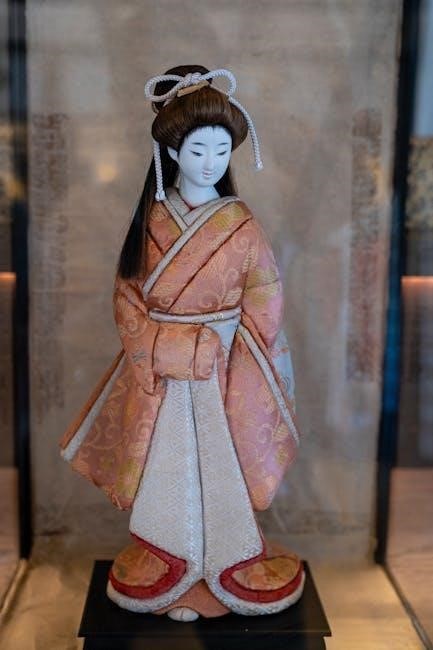
Memoirs of a Geisha, frequently found and read as a PDF, is deeply rooted in pre-World War II Japan, a period of significant societal shifts and economic hardship․ The narrative unfolds against the backdrop of the 1930s, specifically referencing the “kuraitan” – the alley of darkness – symbolizing the economic Depression’s impact․
Golden meticulously recreates this era, portraying a Japan on the cusp of modernization yet still clinging to traditional values․ The novel’s setting isn’t merely a backdrop; it actively shapes the characters’ lives and opportunities․ Accessing the novel in PDF format allows for detailed study of this historical portrayal․ The story’s authenticity, though debated, relies heavily on this carefully constructed historical context, offering readers a glimpse into a fading world․ The PDF version facilitates focused research on this period․
The Setting: Pre-World War II Japan
Memoirs of a Geisha, often explored through a readily available PDF version, vividly depicts pre-World War II Japan, specifically Kyoto․ The novel’s atmosphere is steeped in the traditions of the geisha districts, contrasting sharply with the encroaching modernization․ The setting, crucial to understanding the narrative, is brought to life through detailed descriptions accessible within the PDF document․
Kyoto, as portrayed in the novel and easily referenced in the PDF, serves as a microcosm of Japan’s societal tensions․ The “alley of darkness,” or kuritan, represents the economic struggles of the time․ Studying the novel’s setting via PDF allows for close examination of Golden’s depiction of this complex period․ The PDF format enables focused analysis of how the environment shapes Sayuri’s journey and the lives of those around her․
The Kuritan: Alley of Darkness and Economic Depression
The PDF of Memoirs of a Geisha reveals the significance of the kuritan – the “alley of darkness” – as a backdrop to the story․ This area embodies the harsh economic realities of pre-war Japan, a period of widespread depression․ Accessing the novel as a PDF allows readers to revisit passages detailing the poverty and desperation prevalent in Kyoto’s geisha districts․

Golden’s depiction, easily found within the PDF, highlights how the economic downturn impacted the lives of geishas and their patrons․ The PDF format facilitates focused study of the social consequences of financial hardship․ The kuritan isn’t merely a location; it’s a symbol of struggle, influencing characters’ choices and shaping the narrative’s overall tone․ Examining the PDF provides a deeper understanding of this crucial element․
The Narrative and Key Characters
PDF versions of Memoirs of a Geisha detail Sayuri’s journey, Hatsumomo’s rivalry, Mameha’s mentorship, and the enigmatic Chairman’s influence on her life․
Sayuri (Chiyo): The Protagonist’s Journey
Sayuri’s, initially Chiyo’s, compelling narrative, readily available within the PDF format of Memoirs of a Geisha, charts her transformation from a humble fisherman’s daughter to a celebrated geisha in Kyoto․ The PDF reveals her sale to an Okiya due to family hardship, initiating a rigorous and often cruel training process․
Readers following her story through the PDF witness her struggles against Hatsumomo, a powerful and jealous rival, and her reliance on the guidance of Mameha, a seasoned geisha who becomes her mentor․ The PDF details her pursuit of the elusive Chairman, a man who sparks her initial fascination and becomes a central figure in her aspirations․
The PDF allows exploration of her emotional and physical development, showcasing the sacrifices and artistry required to navigate the complex world of pre-war Japan․ Ultimately, the PDF presents Sayuri’s journey as one of resilience, adaptation, and the search for identity within a restrictive societal structure․
Hatsumomo: The Rival Geisha
Within the pages of the PDF version of Memoirs of a Geisha, Hatsumomo emerges as a formidable antagonist, a geisha of considerable beauty and influence․ The PDF details her initial kindness towards young Chiyo, quickly revealed as a manipulative tactic to exploit the newcomer’s vulnerability․

The PDF showcases Hatsumomo’s relentless attempts to sabotage Chiyo’s progress, driven by jealousy and a desire to maintain her position within the Okiya․ Her schemes, vividly described in the PDF, range from petty cruelties to calculated attempts to ruin Chiyo’s reputation․
Readers accessing the story via PDF observe Hatsumomo’s complex character – a woman hardened by circumstance and fiercely protective of her status․ The PDF portrays her as a product of a competitive environment, highlighting the pressures and sacrifices inherent in the geisha world, making her a compelling, if unlikeable, figure․
Mameha: The Mentor Figure
The PDF of Memoirs of a Geisha introduces Mameha as a pivotal character, a celebrated geisha who takes young Chiyo under her wing․ Accessing the narrative through a PDF reader reveals Mameha’s wisdom and grace, contrasting sharply with Hatsumomo’s cruelty․ The PDF details her patient guidance, shaping Chiyo into the accomplished geisha, Sayuri․
Through the PDF’s text, we learn Mameha imparts not only the technical skills of the profession – conversation, dance, and artistry – but also the subtle art of navigating the complex social landscape․ The PDF emphasizes her belief in Sayuri’s potential, fostering her confidence and resilience․
The PDF showcases Mameha as a protector, shielding Sayuri from Hatsumomo’s machinations and offering invaluable life lessons․ She embodies the ideal of a geisha: refined, intelligent, and deeply empathetic, making her a beacon of hope within the story․
The Chairman: A Mysterious Patron
The PDF version of Memoirs of a Geisha presents the Chairman as an enigmatic figure, captivating Sayuri from a distance․ Reading the PDF reveals his initial encounters with young Chiyo, sparking a connection that profoundly influences her journey․ The PDF details his wealth and status, yet shrouds his motivations in secrecy, fueling Sayuri’s fascination․
Through the PDF’s narrative, the Chairman emerges as a powerful, yet elusive patron, offering glimpses of kindness and support․ The PDF emphasizes his discerning eye for beauty and artistry, qualities he seemingly recognizes in Sayuri․ His infrequent appearances heighten the mystery surrounding him․
The PDF portrays the Chairman as a symbol of hope and possibility, representing a potential escape from the constraints of the geisha world․ His true intentions remain ambiguous throughout much of the story, adding to his allure․

Geisha Culture and Traditions
Memoirs of a Geisha, in PDF format, vividly portrays rigorous training, Okiya life, and the artistry of Maiko versus Geisha distinctions within Japanese society․
What is a Geisha? Defining the Profession
Memoirs of a Geisha, readily available as a PDF document, offers a nuanced portrayal of this often-misunderstood profession․ The novel details how geisha are not simply courtesans, but highly skilled entertainers trained in traditional Japanese arts․ They are masters of conversation, music – particularly the shamisen – and dance, providing sophisticated companionship to their patrons․
The PDF version allows readers to closely examine the intricacies of a geisha’s life, revealing a world built on dedication, artistry, and social grace․ Golden’s work illustrates that a geisha’s role is to embody and preserve Japanese cultural traditions, offering a unique form of artistic expression․ The story emphasizes the years of rigorous training required to achieve this level of proficiency, moving beyond superficial perceptions․
Through Sayuri’s journey, the PDF reveals the geisha as a symbol of beauty, refinement, and a captivating, yet complex, aspect of pre-war Japanese society․
Okiya and Ochaya: The Geisha Houses
Memoirs of a Geisha, accessible in PDF format, vividly depicts the central role of the okiya and ochaya in a geisha’s life․ The okiya, or geisha house, functions as a boarding house and training center for aspiring geisha, like young Chiyo․ It’s within these walls that the rigorous training process unfolds, shaping girls into accomplished entertainers․
The PDF reveals the ochaya as the teahouse where geisha entertain their clients․ These establishments are crucial for establishing and maintaining relationships with patrons․ Golden’s narrative, available as a PDF, highlights the complex social dynamics within these houses, showcasing the hierarchies and rivalries that shape a geisha’s career․
Reading the PDF allows a deeper understanding of how these institutions governed every aspect of a geisha’s existence, from her training and appearance to her social interactions and financial affairs․
The Rigorous Training Process
The PDF version of Memoirs of a Geisha meticulously details the demanding training endured by aspiring geisha․ From a young age, girls like Chiyo underwent intense instruction in traditional arts – music, dance, and the art of conversation․ This preparation, vividly portrayed in the PDF, wasn’t merely about acquiring skills; it was about cultivating an idealized persona․
The PDF illustrates the strict discipline imposed within the okiya, encompassing etiquette, posture, and even the proper way to walk․ Mastering these skills was essential for attracting and retaining clientele․ iLovePDF can assist in studying the detailed descriptions within the PDF․
Golden’s narrative, available as a PDF, emphasizes the emotional toll of this training, highlighting the sacrifices and pressures faced by young women striving for acceptance and success in this exclusive world․
Maiko vs․ Geisha: Understanding the Differences
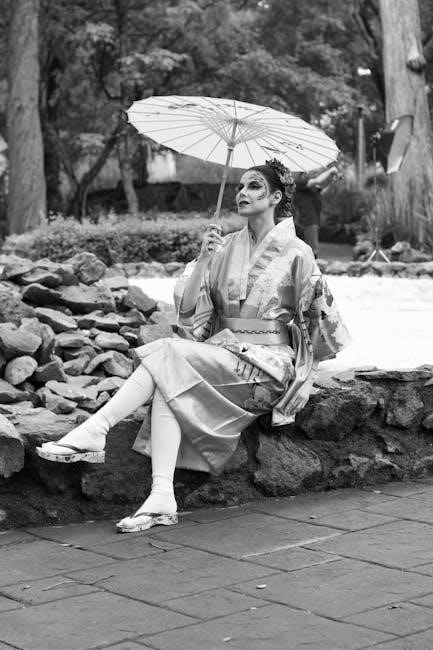
The PDF of Memoirs of a Geisha clearly delineates the distinctions between maiko and geisha․ Maiko, apprentices, are characterized by elaborate hairstyles and vibrant kimono, signifying their trainee status․ The PDF details their extensive makeup and ornate accessories, visually representing their journey towards becoming fully-fledged geisha․
Golden’s novel, accessible in PDF format, emphasizes that maiko primarily focus on learning the arts, while geisha are accomplished entertainers skilled in conversation, music, and dance․ Analyzing the PDF reveals the progression from youthful exuberance to refined artistry․
The PDF illustrates how a maiko’s style evolves as she gains experience, eventually transitioning to the more subdued elegance of a geisha․ iLovePDF can help navigate the PDF to compare depictions of both․
The Art of Conversation, Music, and Dance
The PDF version of Memoirs of a Geisha vividly portrays the intricate artistry central to the profession․ Golden details how geisha master the art of conversation – a subtle skill involving wit, empathy, and the ability to discern a client’s desires․ The PDF showcases this through Sayuri’s interactions․
Musical proficiency, particularly with the shamisen, is highlighted in the PDF as a crucial element of a geisha’s training․ Furthermore, the novel, readily available as a PDF, emphasizes the demanding discipline of traditional Japanese dance, requiring years of dedicated practice․
Using tools like iLovePDF to study the PDF reveals how these skills intertwine to create a captivating performance․ Adobe’s technology ensures faithful reproduction of these artistic nuances․
Kimono, Makeup, and Hairstyle: The Geisha Aesthetic
The PDF of Memoirs of a Geisha meticulously details the elaborate aesthetic standards demanded of geisha․ Golden’s descriptions, accessible within the PDF, reveal the significance of the kimono – not merely clothing, but a canvas reflecting status and season․ The PDF illustrates the layers and symbolism inherent in each garment․
Equally crucial is the distinctive white makeup, oshiroi, and the application process, vividly depicted in the PDF․ Hairstyle, often elaborate and adorned with ornaments, completes the transformation․ Studying the PDF with tools like iLovePDF allows close examination of these details․
Adobe’s PDF technology preserves the visual richness, showcasing the geisha’s carefully constructed image, a key element of their artistry․

Themes and Symbolism
PDF access to Memoirs of a Geisha reveals themes of identity, artifice, and societal constraints; Adobe preserves these symbolic layers effectively․
Identity and Transformation
The PDF version of Memoirs of a Geisha powerfully illustrates Chiyo’s dramatic transformation into Sayuri, a journey fueled by circumstance and ambition․ Initially a fisherwoman’s daughter, her forced entry into the okiya necessitates a complete shedding of her former self․
This metamorphosis isn’t merely cosmetic – the rigorous training, the adoption of a new name, and the mastery of geisha arts all contribute to a constructed identity․ The novel, readily available in PDF format, emphasizes how Sayuri learns to navigate a world demanding artifice and performance․
Her identity becomes a carefully curated illusion, a response to societal expectations and a means of survival․ The PDF allows readers to closely examine the nuances of this transformation, highlighting the loss of innocence and the complexities of self-discovery within a restrictive cultural framework․ It’s a poignant exploration of how external forces shape internal identity․
The Power of Beauty and Artifice
The PDF of Memoirs of a Geisha vividly portrays how beauty and artifice are not superficial elements, but potent tools for survival and influence within the geisha world․ The elaborate kimono, meticulous makeup, and refined manners are all carefully constructed performances designed to captivate and control;
Sayuri’s journey, detailed within the PDF’s pages, demonstrates how mastering these arts allows her to navigate a complex social hierarchy and attract powerful patrons․ The novel emphasizes that a geisha’s value lies not in inherent qualities, but in her ability to create an illusion of perfection․
This reliance on artifice raises questions about authenticity and the commodification of beauty․ Accessing the story through a PDF allows for close examination of these themes, revealing how appearances dictate power dynamics and shape perceptions within this unique cultural context․
Social Class and Gender Roles
The PDF version of Memoirs of a Geisha meticulously illustrates the rigid social stratification of pre-World War II Japan and the constrained roles assigned to women․ Sayuri’s story, accessible within the document, highlights her initial powerlessness as a fisherwoman’s daughter, contrasted with the elevated, yet restrictive, world of the geisha․
The novel, available as a PDF, reveals how a woman’s worth was largely determined by her beauty, skill in the arts, and ability to secure patronage․ Geisha existed in a liminal space – admired for their artistry but often denied agency or genuine connection․
Analyzing the narrative through the PDF format underscores the economic pressures and societal expectations that shaped women’s lives, demonstrating how they navigated a system designed to limit their opportunities and control their destinies․
Fate vs․ Free Will
The PDF of Memoirs of a Geisha presents a compelling exploration of whether Sayuri’s life is predetermined or shaped by her own choices․ From her sale into servitude to her eventual success, the narrative, readily available in PDF format, raises questions about agency and destiny․
While external forces – poverty, societal expectations, and the machinations of Hatsumomo – significantly influence Sayuri’s path, the PDF reveals moments where her resilience and strategic decisions alter her fate․ Her pursuit of the Chairman, detailed within the PDF, can be interpreted as both a response to circumstance and a deliberate act of will․
Ultimately, the novel, accessible as a PDF, suggests a complex interplay between fate and free will, leaving readers to contemplate the extent to which Sayuri controls her own narrative․

The Novel’s Reception and Controversy
Memoirs of a Geisha, widely available as a PDF, achieved bestseller status and critical acclaim, yet sparked debate regarding authenticity and cultural appropriation․
Critical Acclaim and Bestseller Status
Arthur Golden’s Memoirs of a Geisha swiftly ascended to become a phenomenal literary success, captivating readers worldwide and achieving significant critical recognition upon its 1997 publication․ The novel remained prominently featured on bestseller lists for an extended period, demonstrating its widespread appeal and enduring popularity․
The readily accessible PDF version further broadened its reach, allowing a greater audience to experience the story․ Critics lauded Golden’s evocative prose, meticulous research, and compelling narrative structure․ Many praised the novel’s ability to transport readers to a fascinating and largely unknown world, offering a glimpse into the intricate traditions and hidden lives of geishas․

The book’s success also spurred a vibrant conversation about Japanese culture, prompting increased interest in the art, history, and social dynamics surrounding the geisha profession; Its commercial triumph solidified its place as a modern classic, continuing to resonate with readers today, even in digital formats like the PDF․
Criticism Regarding Authenticity and Cultural Appropriation
Despite its widespread acclaim, Memoirs of a Geisha faced substantial criticism concerning its authenticity and potential for cultural appropriation․ Critics, particularly within the Japanese community, questioned the novel’s portrayal of geisha life, arguing that Golden, as an outsider, lacked the lived experience to accurately represent their world․
Concerns were raised about the romanticized and potentially misleading depiction of the profession, perpetuating stereotypes and obscuring the complexities of geisha culture․ The accessibility of the PDF version did little to quell these debates, instead amplifying the discussion․ Some argued that the novel exploited a closed culture for commercial gain, raising ethical questions about authorship and representation․
These criticisms prompted a broader conversation about the responsibilities of authors when writing about cultures outside their own, and the importance of sensitivity and accurate portrayal, even within a fictionalized PDF narrative․
The Hollywood Adaptation: “Memoirs of a Geisha” (2005)
The 2005 film adaptation, Memoirs of a Geisha, directed by Rob Marshall, brought Arthur Golden’s story to a wider audience, though it reignited debates surrounding authenticity․ Based on the popular PDF-circulated novel, the film starred Zhang Ziyi as Sayuri, alongside Michelle Yeoh and Gong Li․
While visually stunning and a commercial success, the adaptation faced similar criticisms as the book regarding cultural appropriation and misrepresentation․ Concerns centered on casting choices and the film’s portrayal of geisha life, with some arguing it further exoticized and sensationalized the profession․
Despite the controversy, the movie’s release spurred renewed interest in the original novel, increasing downloads of the PDF version․ The film remains a significant, albeit contentious, adaptation, prompting ongoing discussions about responsible storytelling and cultural sensitivity․

Finding and Working with the PDF Version
PDF copies are locatable online; iLovePDF offers tools for merging, splitting, and converting, while Adobe permits royalty-free PDF software creation․
Locating a PDF Copy of “Memoirs of a Geisha”
Finding a digital copy of Arthur Golden’s “Memoirs of a Geisha” in PDF format requires a bit of online searching․ Numerous websites offer books in PDF, though legality and safety vary significantly․ Exercise caution when downloading from unfamiliar sources to avoid malware or copyright infringement․
A simple web search using keywords like “Memoirs of a Geisha PDF download” will yield many results․ However, prioritize reputable online libraries or digital bookstores that offer legally obtained PDF versions․ Some platforms may require a subscription or purchase to access the book․ Be mindful of potential risks associated with free, unofficial downloads, including viruses and compromised data security․ Always scan downloaded files with antivirus software before opening them․ Remember to respect copyright laws and support authors by obtaining books through legitimate channels whenever possible․
Using iLovePDF for PDF Manipulation
iLovePDF is a versatile online tool ideal for managing your “Memoirs of a Geisha” PDF․ This free, user-friendly service offers a suite of features to enhance your reading experience; You can easily merge multiple PDF chapters, split a large file into smaller, manageable sections, or compress the file size for efficient storage and sharing;
Furthermore, iLovePDF allows conversion to other formats, like Word, if needed․ Its interface is intuitive; simply upload your PDF, select the desired function, and download the processed file․ No software installation is required, making it accessible from any device with an internet connection․ It’s a convenient solution for organizing and optimizing your digital copy of Golden’s novel, ensuring a smooth and enjoyable reading process․
Converting PDF to Word Format
Converting the “Memoirs of a Geisha” PDF to Word format allows for greater flexibility in editing and annotation․ Microsoft Word itself offers a built-in PDF to Word conversion feature․ Upon opening the PDF within Word, the program prompts to create a copy and convert the content into an editable format․
However, formatting may not be perfectly preserved during this process, requiring some manual adjustments․ Complex layouts and images might shift, and font styles could differ․ Despite these potential issues, conversion enables highlighting, adding notes, and even repurposing sections of the text․ This is particularly useful for academic study or detailed analysis of Arthur Golden’s acclaimed novel, providing a customizable reading experience․
Adobe’s PDF Technology and Licensing
Adobe Systems pioneered PDF (Portable Document Format) technology, revolutionizing document sharing and preservation․ While Adobe holds patents related to PDF, they employ a unique licensing model․ Developers can create applications capable of reading and writing PDF files without incurring royalty payments to Adobe․
This is contingent upon adherence to Adobe’s PDF specification․ This open approach fostered widespread adoption of the format, ensuring compatibility across various platforms․ Consequently, numerous tools, like iLovePDF, emerged, offering PDF manipulation services․ Accessing “Memoirs of a Geisha” as a PDF benefits from this ecosystem, allowing broad accessibility and utilization of diverse PDF-compatible software․