
Angel wings PDFs offer versatile, ready‑to‑use designs that blend artistry with practicality․ They provide instant access to high‑resolution wing graphics, enabling seamless integration into projects ranging from digital art to printable crafts․ Their flexibility empowers creators worldwide․ for all!
Angel wings PDFs encompass a wide spectrum of digital assets, from minimalist line drawings to intricate, multi‑layered compositions․ These resources are often curated by independent artists, design studios, and community‑driven platforms, each offering distinct styles that cater to various aesthetic preferences․ The files typically come in editable formats such as PDF, allowing users to modify colors, add text, or integrate them into larger compositions․ Many creators provide accompanying style guides or color palettes to ensure consistency across projects; Additionally, some repositories offer bundled sets, enabling designers to assemble themed collections that can be reused across multiple media․ The accessibility of these PDFs is further enhanced by cloud‑based sharing, which allows instant download and collaboration among team members․ Some platforms even support version control, ensuring that updates to a design are tracked and integrated smoothly․ For those seeking high‑resolution outputs, many resources include vector layers that can be scaled without loss of quality, making them ideal for print and digital media alike․ The community aspect of these resources encourages feedback loops, where users can request custom variations or contribute improvements, fostering a dynamic ecosystem of continuous refinement․ Overall, angel wings PDF resources serve as a versatile toolkit for artists, designers, and hobbyists looking to incorporate celestial motifs into their creative workflows․ Unlock new creative ideas!!
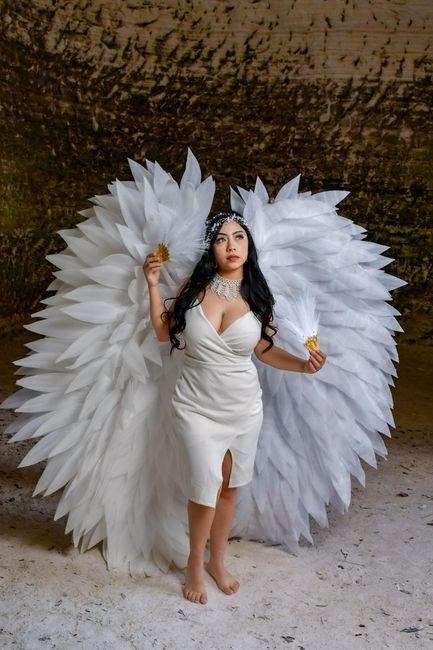
Types of Angel Wings PDFs
Angel wings PDFs come in two main categories: printable templates, which are ready to print and cut, and interactive templates, which allow digital manipulation of layers and colors․ Each type offers unique benefits for artists and designers seeking flexibility and ease of use․ Ideal for print & art
Printable vs Interactive PDF Templates
When selecting an angel wings PDF, the distinction between printable and interactive templates is pivotal․ Printable PDFs are static files, often high‑resolution, designed for direct printing․ They typically contain vector outlines, color swatches, and bleed marks, ensuring crisp edges when cut or layered onto other media․ These files are ideal for craft projects, card making, or as a base for hand‑colored artwork․ The user can print on any paper type, laminate, or even transfer onto fabric using iron‑on techniques․ Because they are simple, they load quickly in most PDF readers and require minimal software beyond a printer and a cutting tool such as a Cricut or Silhouette machine․ The trade‑off is that once printed, the design is fixed; any color changes or adjustments must be made in the original source file before re‑printing․
Interactive PDFs, on the other hand, embed editable layers and form fields․ They are built in programs like Adobe InDesign or Illustrator and exported with layer preservation․ Users can manipulate colors, swap textures, or even animate elements in programs that support PDF animation․ This flexibility is invaluable for designers who need to tailor a wing set to a specific project, such as adjusting the wing span to fit a portrait or altering the feather pattern to match a character’s costume․ Interactive PDFs can also include hyperlinks or embedded media, allowing for a richer digital experience․ However, they demand more robust software and a steeper learning curve․ Compatibility can also be an issue; older PDF readers may not display layers correctly, and some interactive features may not export cleanly to all platforms․
Choosing between these formats hinges on your workflow․ If your primary goal is to produce a quick, high‑quality print, a printable PDF is efficient and reliable․ If you require customization, dynamic color changes, or integration into a larger digital design, an interactive PDF offers the necessary versatility․ Many creators maintain both versions of a template: a printable base for quick projects and an interactive master for advanced editing․ This dual approach ensures that you can meet both immediate needs and long‑term creative ambitions without compromising on quality or functionality․ Ultimately, understanding the strengths and limitations of each type empowers you to select the most appropriate resource for your artistic vision and technical requirements․
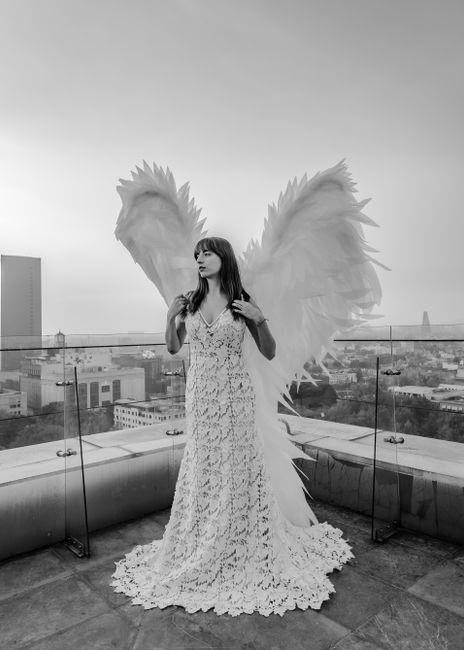
Where to Find Angel Wings PDFs
Angel wings PDFs can be sourced from reputable digital marketplaces, specialized art repositories, and community-driven platforms․ Search engines, creative asset sites, and open‑source libraries often host free or premium templates․ Always verify licensing before download to ensure compliance․ 2024!!
Trusted Online Repositories and Libraries
For reliable angel wings PDFs, turn to established platforms that provide clear licensing and high‑resolution assets․ Below are key resources:
- Creative Market – Premium templates with commercial licenses․
- Adobe Stock – Extensive vector library, integrated with Creative Cloud․
- Freepik – Free and paid resources, CC‑BY or commercial use with attribution․
- Unsplash – Free illustrations, no attribution required․
- Public Domain Vectors – Completely royalty‑free, ideal for unrestricted use․
- GitHub Repositories – Community‑shared SVG/PDFs under Creative Commons;
- Behance Projects – Designers release assets, check license before use․
- Shutterstock – Subscription access to vector graphics, commercial rights included․
- Dribbble – Free or paid PDF templates, verify license details․
- OpenClipart & Vecteezy – CC0 vector files, unrestricted usage․
Always verify license terms before downloading․ Choose a source that grants the rights you need for personal or commercial projects․
These curated sources ensure you have reliable, royalty‑free or licensed angel wings PDFs ready for any project․ Whether you’re creating a poster, an illustration, or a printable craft, the right repository can save time and avoid legal pitfalls!

Legal and Copyright Considerations
Angel wings PDFs may be subject to copyright, licensing, or public‑domain status․ Verify each file’s terms—commercial use, attribution, or restrictions—before distribution․ Respect creators’ rights, and keep documentation of licenses for future reference․
Understanding Usage Rights for Angel Wings PDFs
Before downloading or distributing an angel wings PDF, you must check the license․ Many files use Creative Commons, ranging from CC‑BY (attribution required) to CC‑BY‑NC (no commercial use)․ Some are public domain, allowing free use․ Others are copyrighted and need permission for any use beyond personal projects․ If a file lacks clear licensing, assume it is copyrighted․ In that case, obtain explicit permission from the owner before using it in any public or commercial context․ This may involve contacting the creator, negotiating a license fee, or purchasing a commercial use license through a reputable platform․ When you have a license, keep a record of its terms․ For commercial projects, it is wise to document the license or permission granted, as this protects you if a dispute arises․ Some licenses explicitly state that derivative works must carry the same license or that modifications are prohibited․ If you create a derivative, check whether the original license allows modifications․ Some Creative Commons licenses forbid changes, while others require you to share derivatives under the same terms․ Always read the license text carefully before publishing․ When you plan to sell a product featuring angel wings, verify that the license permits commercial use․ If the license is CC‑BY‑NC or similar, you must either obtain a separate commercial license or use a different file․ Documenting the source and license protects you from infringement claims․ Check daily! OK

How to Use Angel Wings PDFs in Creative Projects
Integrate PDFs by importing into design software, layering, and adjusting opacity․ Use vector layers for scaling, add textures, and combine with typography․ Export as PNG or SVG for web,orready PDF for flyers․ Experiment with color and shadows․
Incorporating PDF Templates into Art and Design
PDF templates for angel wings provide a modular foundation that artists can adapt to a wide spectrum of media․ By importing the vector layers into programs such as Adobe Illustrator, CorelDRAW, or alternatives like Inkscape, designers can isolate individual elements—feathers, gradients, and subtle embossing effects—then re‑color or resize them without loss of fidelity․ The scalability of vector formats is especially valuable when the same design needs to appear on a small greeting card, a large banner, or an illustration that will be displayed on multiple screen sizes․ When integrating these templates into mixed‑media projects, start with a clean background layer and place the wings as a separate group․ Use opacity masks to blend the wings into photographs or sketches, creating a sense of depth that feels both ethereal and grounded․ For print, convert the final composition to CMYK and double‑check color separations to avoid unexpected shifts in hue․ Digital artists can export the finished artwork as PNG or SVG files, preserving transparency for use on websites, social media, or as part of a collage․ For artists, printing the PDF at 300 DPI and cutting the wings out with a precision craft cutter allows for seamless assembly onto paper, canvas, or fabric․ Experiment with layering translucent vellum or adding metallic inks to the wings to elevate the visual impact․ By treating each PDF layer as a separate asset, creators maintain flexibility, enabling rapid iteration and custom styling that keeps the angelic motif fresh across projects!!

Technical Tips for Editing Angel Wings PDFs
When editing angel wings PDFs, start by opening the file in a vector editor such as Adobe Illustrator or Inkscape․ Use the Layers panel to isolate feather groups, then apply the Direct Selection tool to tweak anchor points․ Preserve the original PDF by saving a copy before any changes․ for crisp․ OK
Software Recommendations and Workflow Best Practices
Choosing the right tools is essential for manipulating angel wings PDFs․ Below are recommended applications and a step‑by‑step workflow that balances precision, speed, and file integrity․
- Adobe Illustrator – Industry standard vector editor․ Supports PDF import, preserves layers, and offers advanced feather‑editing brushes․
- Inkscape – Free, open‑source alternative․ Handles PDF layers well and provides a robust set of vector tools․
- Affinity Designer – Cost‑effective, with a one‑time purchase․ Excellent for high‑resolution wing graphics and export options․
- GIMP – Ideal for raster‑based tweaks․ Use when you need to apply textures or blend modes to feather details․
Workflow Best Practices:

- Backup First: Duplicate the original PDF before opening it in any editor․
- Layer Management: Keep each feather or wing section on its own layer; name layers clearly․
- Vector Integrity: Avoid converting vector paths to raster unless necessary․
- Export Settings: When saving, choose “PDF/X‑4” for print or “PDF/A‑2” for archival․ Ensure “Preserve Illustrator Editing Capabilities” is checked if you plan future edits․
- Color Profiles: Use sRGB for web, CMYK for print․ Embed the profile during export․
- Version Control: Store incremental versions (e․g․, wings_v1․pdf, wings_v2․pdf) to track changes․
- Testing: Open the final PDF in a viewer like SumatraPDF or Preview to confirm layer visibility and print‑ready quality․


Batch Processing: For large collections, use scripts in Illustrator or Inkscape to apply consistent scaling or color adjustments across multiple PDFs․
Collaboration: Save PDFs to cloud services (Google Drive, Dropbox) and use shared comments to gather feedback before final export․
Accessibility: Add descriptive alt text to layers and use PDF/UA compliance options to ensure screen readers can interpret wing graphics․
By combining these tools with disciplined workflow steps, you can efficiently edit angel wings PDFs while maintaining design fidelity and ensuring compatibility across platforms․ Remember to keep backups․ Always․

and Next Steps
Summarize key takeaways, encourage experimentation, and suggest exploring advanced editing techniques, community forums, and licensing resources․ Stay updated, share your creations, and continue refining your angel wings PDF projects․ Explore more ideas․ Keep learning․ !!
Resources for Further Exploration
For those eager to deepen their understanding of angel wings PDFs, a curated selection of resources can broaden both knowledge and practical skill․ Start with reputable online libraries that host high‑resolution, royalty‑free wing illustrations․ Many sites offer downloadable PDFs in various sizes, from small icons to full‑page spreads, allowing designers to mix and match elements effortlessly․ Academic journals on digital art and iconography provide context on the symbolic evolution of wing motifs, while tutorials on vector editing software demonstrate how to convert PDF layers into editable shapes․ Community forums and social media groups dedicated to graphic design often share custom templates and user‑generated modifications, fostering collaborative improvement․ Finally, legal guides on copyright and licensing clarify permissible uses, ensuring that creative projects remain compliant․ By exploring these avenues, creators can refine their craft, stay current with trends, and contribute original work to the broader artistic community․
- Free wing PNGs on Unsplash – use today․
- Vector wing templates from Vecteezy – free․
- Printable PDF wings – free download․
- SVG wing cliparts – use in any project․
- Tutorials on wing design – beginner friendly․
- Ebook on angelic iconography – available․
- License checklists – ensure compliance․
- Community forums on Stack Exchange – ask questions․
- Commons search for wing images – filter by license․
- Adobe Stock wing packs – required․
- Wing SVGs on GitHub – contribute improvements․
- PDF templates on Canva – customize easily․
- Legal resources on Commons – understand terms․
- Resources on wing patterns in the public domain – free to use․