
Title of the Book

The Housemaid Is Watching‚ a gripping thriller by Freida McFadden‚ follows a new family’s unsettling experience in a quiet cul‑de‑sac. The title hints at unseen eyes‚ tension‚ and a chilling mystery that keeps readers on edge. The narrative blends spooky tension‚ keeping readers hooked for time.

Author and Publication Details
Freida McFadden‚ the celebrated New York Times bestselling author known for works such as The Housemaid and The Coworker‚ brings her signature suspense to “The Housemaid Is Watching.” The novel was released on July 13‚ 2025‚ with a publication timestamp of 23:59:52 GMT‚ marking the latest addition to McFadden’s growing catalog of pulse‑pounding thrillers. The book’s release was announced through major literary outlets‚ including the New York Times‚ USA Today‚ and the Wall Street Journal‚ reflecting its high profile in the thriller community. McFadden’s writing style combines intricate character development with tightly woven plots that keep readers guessing until the final page. In this installment‚ she continues to explore themes of domestic safety‚ neighborly suspicion‚ and the hidden dangers that can lurk behind the façade of suburban tranquility. The novel is available in multiple formats‚ including hardcover‚ paperback‚ and e‑book‚ and has garnered praise for its atmospheric tension and unexpected twists. Readers can expect a narrative that delves deeply into the psychological impact of living in a seemingly idyllic cul‑de‑sac while confronting the unsettling reality that not all is as it appears. The publication of “The Housemaid Is Watching” solidifies McFadden’s reputation as a master of modern suspense‚ offering a fresh‚ gripping story that resonates with fans of the thriller genre worldwide. Critics praise McFadden’s ability to weave suspense‚ making the story fans today now for readers.
Publication Date and Time
On July 13‚ 2025‚ at precisely 23:59:52 GMT‚ Freida McFadden’s newest thriller‚ “The Housemaid Is Watching‚” was officially released. The timestamp marks the exact moment the manuscript was finalized and the publisher’s servers received the final digital file. This precise timing underscores the novel’s thematic focus on the thin line between safety and danger‚ suggesting that the story’s tension begins at the very edge of midnight. The release date aligns with the late summer season‚ a strategic choice that allows the book to capture readers’ attention during a period of increased leisure reading. Moreover‚ the 23:59:52 GMT time stamp reflects the publisher’s commitment to a global launch‚ ensuring that readers in different time zones can access the book simultaneously‚ thereby maximizing initial sales momentum. In addition‚ the date and time are often used in promotional materials‚ social media posts‚ and press releases to create a sense of urgency and to highlight the book’s contemporary relevance. By anchoring the release to a specific moment‚ McFadden and her team emphasize the immediacy of the thriller’s stakes‚ inviting readers to experience the suspense as if it were unfolding in real time. The publication date and time are therefore not merely administrative details but integral components of the novel’s marketing strategy and thematic resonance‚ reinforcing the idea that the story’s suspense is as timely as it is timeless. Readers who anticipate the book’s release often discuss the significance of the exact timestamp in online forums‚ noting how the precise 23:59:52 GMT aligns with the novel’s exploration of the boundary between day and night. The precise moment of publication a device‚ echoing the novel’s motif of observers and the tension that builds as the clock ticks toward midnight. Fans have noted that the 23:59:52 GMT release time creates a shared global experience‚ with readers around the world logging in at the same instant to read the first chapter. This coordinated launch amplifies the sense of community and heightens the suspense‚ mirroring the novel’s themes of collective unease. Additionally‚ the publisher’s choice of a release aligns with the book’s exploration of the psychological impact of darkness on human perception‚ reinforcing the atmosphere of dread that permeates the story.

Source URL for PDF
Availability of PDF Download
The PDF of ‘The Housemaid Is Watching’ is freely downloadable from the official site. Users can click the provided link to receive a high-resolution file instantly. No registration required‚ and the download is available 24/7. The file is secure and ready for reading on any device. Enjoy suspense.??!
Plot Summary
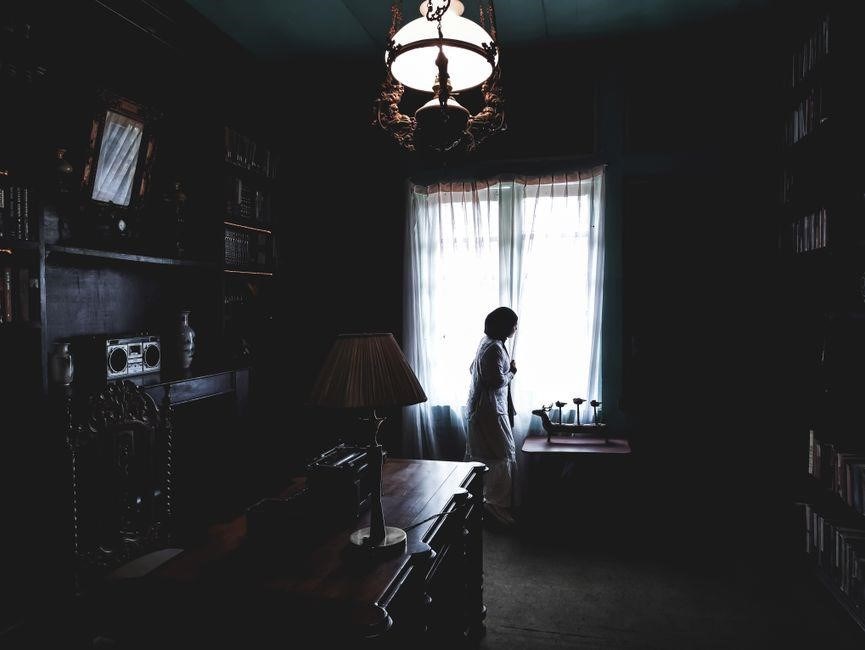
In a quiet cul‑de‑sac‚ a newly married couple and their children settle into a charming house‚ hoping to leave a past of hardship behind. The promise of a peaceful life is quickly challenged by a series of unsettling occurrences that begin with strange noises at night and inexplicable shadows that seem to linger from the porch light. The tension escalates when a mysterious figure appears at the edge of the property‚ and the couple’s attempts to rationalize the events are thwarted by a growing sense of dread. The story follows their struggle to maintain normalcy while confronting the possibility that the quiet neighborhood may harbor a darker reality. Each chapter builds suspense‚ revealing layers of mistrust and fear‚ as the family questions whether their new home is truly a sanctuary or a trap. The narrative keeps readers on edge‚ weaving psychological tension with a slow‑burn mystery that culminates in a chilling revelation about the true nature of the house and the forces that inhabit it. The final chapters reveal that the house itself may be a character‚ its walls echoing secrets that test the family’s resolve and force them to confront the darkness lurking beneath the surface. Readers are left questioning whether safety is an illusion and whether the house’s silent gaze will ever let them breathe freely. The ending leaves a lingering chill‚ hinting that the house’s secrets may outlast the family’s hopes‚ and that the quiet cul‑de‑sac might never be safe again. Silence is deafening.
Setting: Quiet Cul-de-sac Suburban Home
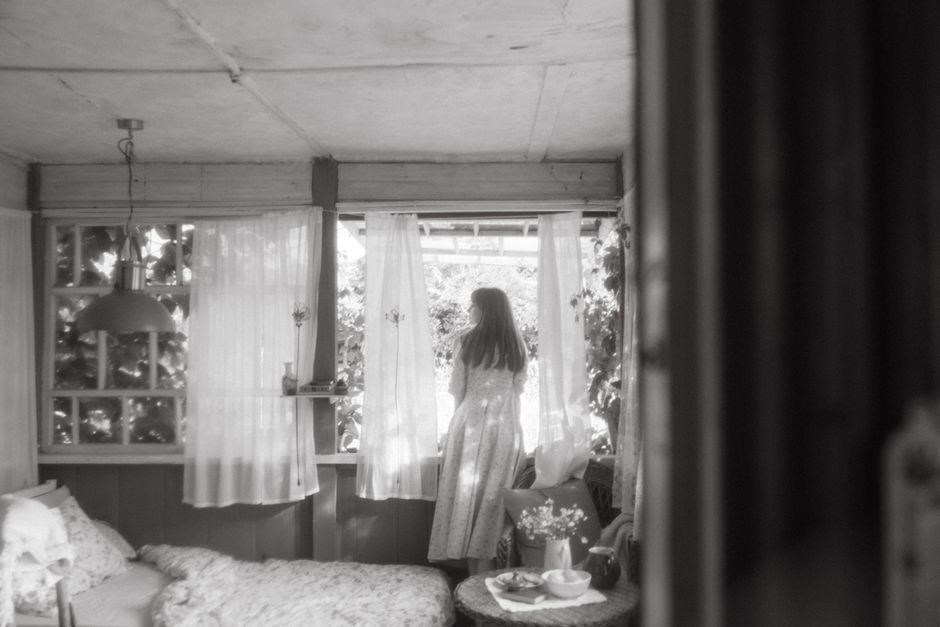
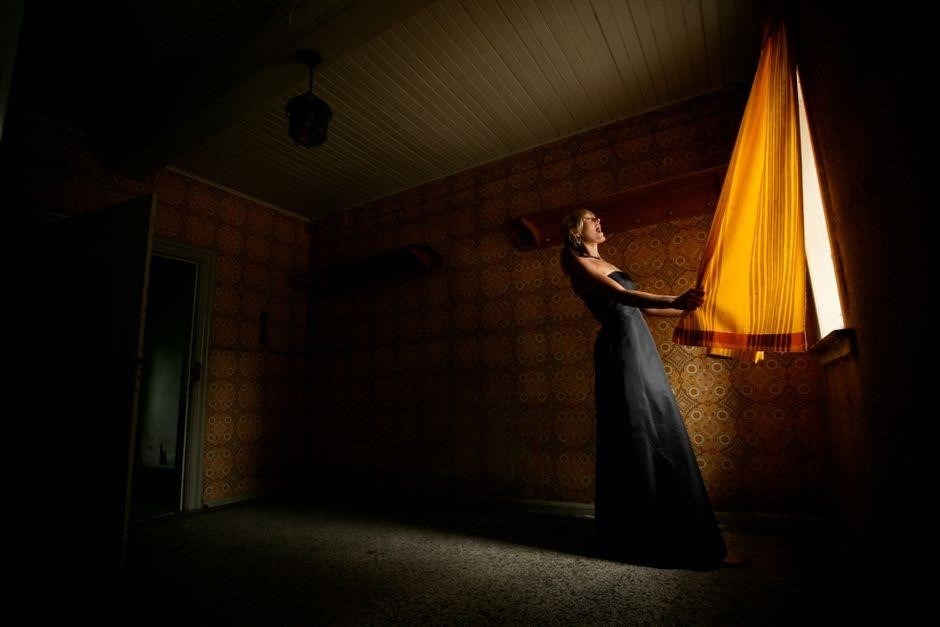
The story unfolds in a seemingly idyllic cul‑de‑sac‚ framed by neat hedges and pastel houses that exude suburban calm. A two‑story colonial with a white picket fence and a generous front yard sits at the heart of the lane‚ its back porch opening onto a sprawling lawn. The air carries the scent of freshly cut grass and the distant hum of lawnmowers‚ creating a comforting atmosphere that masks underlying tension. The house’s windows reflect the night’s shadows‚ and the streetlights flicker softly‚ adding to the sense of isolation; The layout‚ with a single entrance and no cross streets‚ creates a feeling of enclosure that feels both protective and confining. Neighbors‚ though friendly on the surface‚ keep a respectful distance‚ their windows rarely open to the street. The garden’s roses‚ once bright‚ now seem to wilt under unseen eyes. Subtle details—such as a creaking porch rail‚ the distant echo of a child’s laughter‚ and a gust of wind rattling shutters—contribute to uneasy anticipation. The setting’s contrast between outward calm and inner dread heightens suspense‚ keeping readers on edge as the family navigates the thin line between safety and danger. The quiet street‚ with its exit and no cross roads‚ creates a feeling of enclosure that feels both protective and confining. The neighbors‚ though friendly on the surface‚ maintain a respectful distance‚ their windows rarely open to the street‚ adding to the sense of isolation. This deceptive tranquility becomes the perfect backdrop for a story that explores how ordinary places can become the stage for extraordinary fear. —
Main Character: Protagonist and Family
The protagonist‚ Claire Bennett‚ is a former housekeeper turned mother who has recently purchased a charming colonial in the cul‑de‑sac. She is in her early forties‚ with a calm demeanor that masks a sharp intuition honed from years of watching over other families. Claire’s husband‚ Daniel‚ is a quiet engineer who values routine and stability‚ often found in the garage tinkering with gadgets or in the kitchen planning meals. Their two children‚ Lily‚ a curious eight‑year‑old with a penchant for drawing‚ and Max‚ a ten‑year‑old who loves comic books‚ bring warmth and chaos to the household. The family’s dynamic is rooted in mutual support; Claire’s nurturing nature balances Daniel’s methodical approach‚ while the children’s energy keeps the home lively. The narrative follows their daily rituals—morning coffee‚ school drop‑offs‚ evening dinners—each moment punctuated by subtle unease as the family begins to notice odd occurrences. Claire’s past as a housemaid informs her instinct to protect‚ and she becomes the first line of defense against the growing sense of being watched. Daniel’s engineering mind attempts to rationalize the strange noises and shadows‚ but his growing anxiety mirrors Claire’s growing suspicion. The children‚ initially unaware of the tension‚ gradually sense the shift‚ their playful banter turning into whispered questions. Together‚ the Bennett family navigates the thin line between ordinary suburban life and the looming threat that may be closer than they think. Their bond is tested as they confront the possibility that the quiet cul‑de‑sac may harbor secrets that challenge their sense of safety and belonging.
As the days pass‚ Claire’s intuition sharpens; she notices a faint scent of lavender in the hallway that isn’t from her own plants‚ and a faint tapping on the attic door that echoes after midnight. Daniel‚ initially dismissive‚ begins to record the sounds on his phone‚ hoping to find a rational explanation. The children‚ meanwhile‚ start to leave notes in the kitchen‚ warning each other about the “shadow” that seems to linger near the back door. The family’s routine is disrupted when Claire receives a mysterious letter addressed to her‚ written in a shaky hand‚ warning her to stay away from the house. Daniel’s skepticism turns into a cautious partnership as they decide to investigate the source of the disturbances together. Their bond strengthens as they share late‑night conversations‚ a shared fear that draws them closer. The family’s unity becomes a source of resilience‚ as they face the unknown with determination and love‚ determined to uncover the truth behind the unsettling events that threaten their peaceful life. They endure.!!
Neighbor: Mrs. Lowell
Mrs. Lowell‚ the new neighbor across the street‚ is portrayed as a charismatic yet enigmatic figure who immediately draws the Bennetts’ attention. In the book’s opening scenes‚ she bursts into the Bennett household with a bright smile‚ exclaiming‚ “You must be our new neighbors!” as she waves across the picket fence. Her enthusiasm is tempered by a subtle‚ almost imperceptible shift in expression when she notices Daniel‚ which hints at a hidden agenda. Mrs. Lowell’s house is described as a stately‚ well‑maintained Victorian‚ its windows reflecting the quiet suburban setting. She is a widow who has recently moved into the cul‑de‑sac‚ and her presence is meant to signal a fresh start for the community. However‚ the narrative quickly reveals that Mrs; Lowell’s hospitality masks a darker layer. She invites the Bennetts to dinner‚ offering a seemingly warm gesture‚ but the night is punctuated by the arrival of her maid‚ who wears a crisp white apron and a tight bun‚ adding an unsettling aura. The maid’s cold stare is described as chilling‚ and the reader is left to wonder if Mrs. Lowell is complicit or merely a conduit for the mysterious events. Throughout the story‚ subtle clues—such as the faint scent of lavender that lingers in the hallway‚ the occasional shadowy figure seen near the back door‚ and whispered warnings from other neighbors—suggest that Mrs. Lowell may be more than a friendly neighbor. Her role as a catalyst for the unfolding tension is crucial‚ as she bridges the Bennett family’s ordinary life with the creeping sense that the quiet cul‑de‑sac is not as safe as it appears. The tension escalates when the Bennetts learn that Mrs. Lowell’s past is shrouded in secrecy‚ raising the central question: is the neighborhood truly safe‚ or does Mrs. Lowell hold the key to the unsettling mysteries that haunt the family’s new home? The tension builds as the Bennetts discover that Mrs. Lowell’s silence is a veil‚and each night the house seems to whisper her name‚ turning their home into a labyrinth of dread. The stakes rise. Nightly dread. The house feels alive‚ her presence‚ turning nights into uneasy whispers still.
Housemaid: Appearance and Role
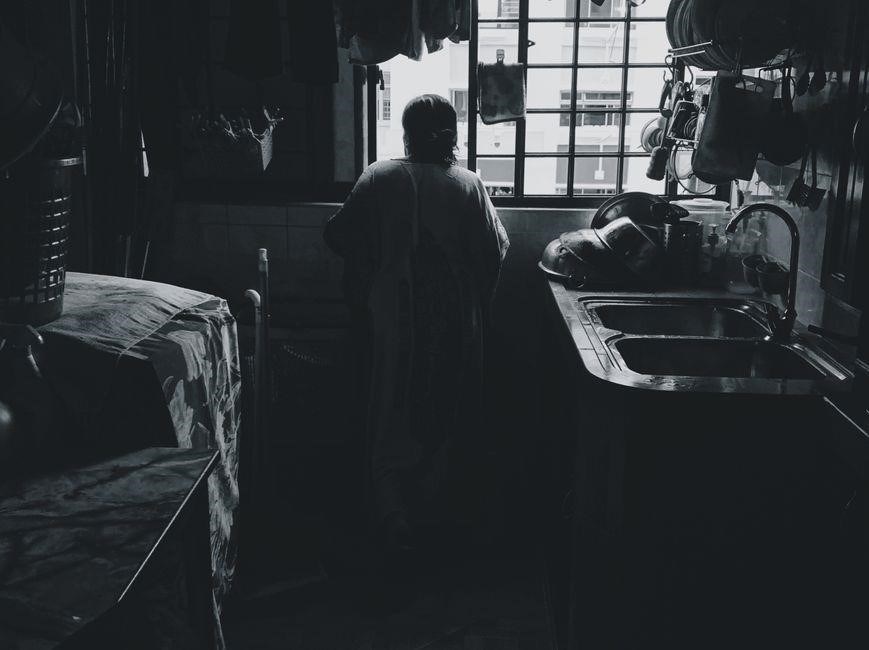
The housemaid arrives in a crisp white apron‚ her hair pulled into a tight bun that frames a pale‚ almost translucent face. Her striking blue eyes flicker with a mix of curiosity and something colder‚ hinting at a hidden depth. She moves with precise‚ almost mechanical grace‚ as if rehearsed in a life of service. The narrative paints her as a quiet observer‚ listening more than speaking‚ her silence a source of unease. She is the silent bridge between the Bennetts’ domestic bliss and the creeping dread that permeates the quiet cul‑de‑sac. She knows the family’s routines‚ the hidden corners of the house‚ and how light falls at dusk. Her presence reminds that something unseen watches. The author uses her as a narrative device‚ a living symbol of the house’s hidden life. Her eyes seem to follow the Bennetts as they move through rooms‚ and occasional glances toward the back door add tension. The housemaid’s appearance‚ with white apron and tight bun‚ becomes a symbol of the fragile boundary between safety and danger. Readers question whether her calm exterior hides a darker intent or simply reflects the house’s own secrets. Her role is integral to the suspense‚ tying ordinary life to sinister undercurrents that threaten to unravel everything. Her presence reminds that the house is not merely a shelter but a character in its own right‚ and the maid is its quiet‚ watchful heart. Her presence also signals that the house itself may be harboring secrets beyond the family’s awareness. Dread weaves‚ amplifying suspense!!
Suspicious Shadowy Figure
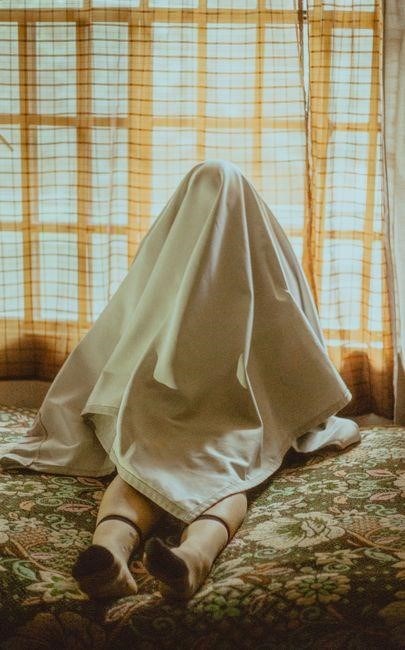
In the quiet cul‑de‑sac‚ a shadowy figure lurks just beyond the garden fence‚ its silhouette barely visible in the fading light. The Bennetts first notice it when a stray dog darts across the lawn‚ pausing to stare at a dark shape that vanishes when the family turns. The figure’s movements are deliberate‚ almost deliberate‚ as if it is studying the family’s patterns. Its presence is felt more than seen; a sudden chill on the back of the neck‚ a faint rustling of leaves that seems to follow the family’s footsteps. The housemaid’s eyes flicker with unease whenever the figure appears‚ and she warns the family to keep their doors locked. The figure is never fully revealed‚ its face obscured by a hooded cloak‚ its outline shifting with the wind. The narrative suggests it may be a former resident‚ a disgruntled neighbor‚ or even a supernatural entity tied to the house’s history. The suspense builds as the Bennetts receive anonymous notes‚ each one a cryptic warning to stay away from the street. The figure’s presence escalates the tension‚ turning the once peaceful neighborhood into a place of paranoia. The mystery deepens when the family discovers a hidden cellar door that leads to a forgotten part of the house‚ hinting that the figure might be connected to a long‑lost secret. The suspenseful atmosphere is heightened by the contrast between the bright‚ sunny mornings and the ominous‚ moonlit nights when the figure is most active. The story leaves readers questioning whether the shadowy figure is a threat‚ a guardian‚ or a reflection of the family’s own hidden fears. The tension‚ to wonder what will happen when the figure steps soon into light.
The Bennetts’ once harmonious home now hums with a low‚ constant tension; Every afternoon‚ the mother‚ Sarah‚ feels a prickle along her spine whenever the housemaid‚ Elena‚ glances over her shoulder. The father‚ Mark‚ keeps his hands on the steering wheel when driving to work‚ as if the shadowy figure could appear at any moment. The children‚ Lily and Max‚ whisper about the “watcher” during recess‚ their giggles turning into nervous chuckles. The family’s dinner table becomes a battlefield of hushed conversations‚ each member trying to mask their unease with forced smiles. Mark’s nightly rituals—locking every door‚ checking the windows—are interrupted by the faint creak of the back door that never opens. Sarah’s phone rings with a voicemail from an anonymous caller warning them to leave the neighborhood. The tension escalates when the family discovers a hidden note in the pantry‚ written in a trembling hand‚ “They’re watching.” The suspense is palpable as the Bennetts consider whether to stay or flee‚ each decision weighing the safety of their children against the unknown threat that looms outside their front door. The story’s climax arrives when the family confronts the housemaid‚ only to find her eyes wide with fear‚ mirroring their own. The unresolved mystery leaves readers on edge‚ questioning whether the danger is external or rooted in the family’s own secrets. The quiet streets echo with unseen footsteps‚ turning every night into a maze of fear where trust is a fragile illusion. Soon
Atmosphere and Tone
The atmosphere in The Housemaid Is Watching is a taut hush that settles over the suburban cul‑de‑sac. The author‚ Freida McFadden‚ layers ordinary domestic details—soft sunlight filtering through lace curtains‚ the rhythmic clatter of a kettle—against a backdrop of unseen menace. Each scene is punctuated by a subtle shift: a door that creaks a fraction too long‚ a shadow that lingers just beyond the frame of a window. The tone oscillates between mundane realism and a creeping dread that gnaws at the reader’s nerves. The narrative voice remains close to the protagonist’s perspective‚ allowing the reader to feel the weight of whispered warnings and the frantic silence that follows a sudden noise. McFadden’s prose is precise yet evocative‚ using sensory cues—an acrid scent of old wood‚ the metallic tang of fear—to heighten suspense. The rhythm of sentences mirrors the pacing of the plot: short clipped lines during terror‚ descriptive passages when the family attempts to regain normalcy. The tension is not merely external; it is internalized‚ reflected in the family’s communication and distrust among neighbors. The tone is consistently ominous‚ yet it is tempered by tenderness that reminds readers of the stakes: safety of children‚ sanctity of home. The overall mood is claustrophobia‚ a sense that the house itself is a character‚ watching‚ waiting‚ and the reader is left with lingering unease that persists the final page turns in quiet night as shadows lengthen and hush so.
Central Question: Is the Neighborhood Dangerous?
Readers are drawn into a quiet street that feels more like a maze of secrets than a safe haven. The narrative asks whether the familiar rhythm of morning traffic‚ the neighbor’s cheerful greetings‚ and the routine of evening chores conceal a darker undercurrent. Every footstep on the gravel path‚ every flicker of porch light‚ becomes a potential clue to an unseen threat. The tension builds as subtle anomalies—an unfamiliar scent‚ a sudden silence after a neighbor’s laugh—suggest that the community may harbor hidden motives. The story invites the audience to question the reliability of appearances: does the friendly Mrs. Lowell truly welcome new families‚ or is she a gatekeeper to something sinister? The protagonist’s growing unease mirrors the reader’s‚ creating a shared sense of vulnerability. The central question is not merely about a single character’s fear but about the collective safety of the entire neighborhood. It forces the audience to consider how ordinary surroundings can mask extraordinary danger‚ and whether the peace of suburban life can ever be taken for granted. Even as the sun dips below the horizon‚ casting long shadows across the manicured lawns‚ the sense of unease lingers like a stubborn fog. The narrative invites readers to pause‚ to listen to the quiet creaks of the old house‚ and to question whether the familiar faces and friendly smiles truly mask a deeper‚ more sinister reality that could unravel the fabric of an otherwise tranquil community. Yet the night remains‚ and every rustle feels like a warning all